AI Governance Platform: The Solution to Shadow AI Hiding in Your Code


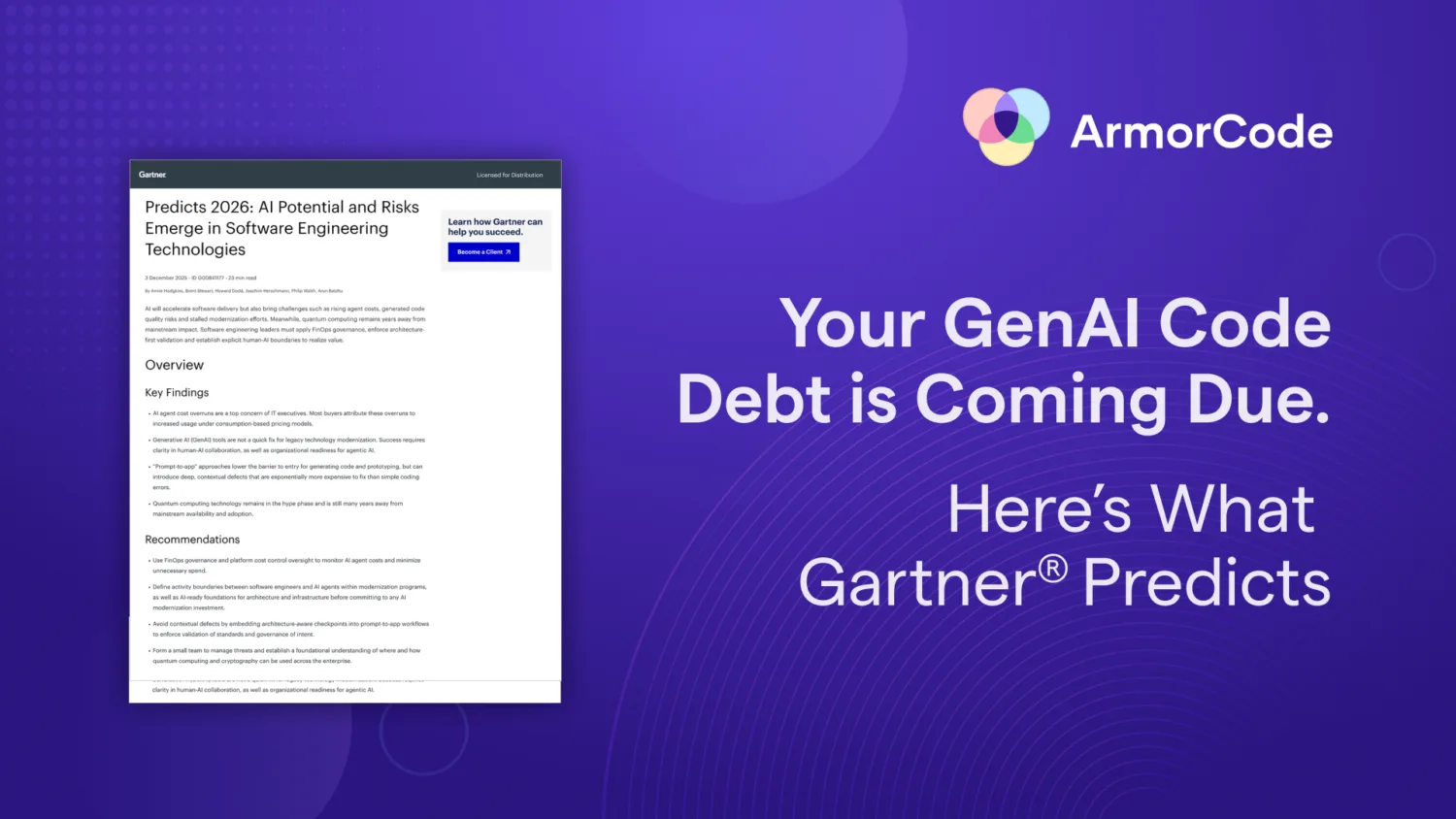
Download the full Gartner Predicts 2026 report
The urgent case for an AI governance platform begins with a simple reality: Your developers are using AI to write code right now. They’re deploying autonomous agents that access production systems, make decisions without oversight, and process customer data. And chances are, you have no idea which AI tools they’re using, what data those tools can access, or what decisions they’re authorized to make.
This is the reality of Shadow AI risks—AI adoption is happening faster than security and governance can keep up.
This isn’t a future problem. According to new research from Gartner, by 2027, 40% of enterprises will face AI tool costs exceeding twice their budgets. But runaway spending is just the symptom. The real issue? Complete blindness to AI adoption across your organization.
The Visibility Gap Nobody’s Talking About
Here’s what’s happening in your environment right now:
A developer uses ChatGPT to analyze customer data in their browser. The same developer has OpenAI libraries embedded in code repositories making direct API calls. They’ve installed Cursor as an IDE plugin processing proprietary code on their laptop. Marketing just deployed an AI agent with CRM access that runs 24/7.
Each represents a data exposure risk. Your security tools see none of it.
Network monitoring catches browser-based AI usage but misses API calls from code. Application security scans code dependencies but can’t see desktop tools or browser extensions. Without an AI governance platform, security teams are trying to assess AI risk with half the picture—while the unseen half keeps growing.
Agents Change Everything
AI coding assistants are one thing. Autonomous agents are a different category of risk entirely.
Agents don’t just help with tasks. They operate independently, access multiple systems simultaneously, and make consequential decisions without human approval. Is that marketing agent responding to customer inquiries? It can access your CRM, initiate transactions, and leverage external AI services you’ve never heard of.
Gartner predicts that by 2028, “vibe coding” tools will increase software defects by 2500%. Employees with zero programming expertise are generating applications that access sensitive data and deploy to production. The code works, passes basic tests, but contains deep architectural flaws that won’t surface until something breaks in production.
Why Traditional Security Tools Fail Here
Your existing security stack wasn’t built for this. AI doesn’t respect traditional boundaries:
- It’s not just network traffic – API calls bypass proxies
- It’s not just code dependencies – Desktop apps and browser extensions operate independently
- It’s not just SaaS apps – Developers embed AI directly into custom applications
- It’s not just employees – Agents act autonomously without human oversight
Single-point solutions can’t provide complete visibility. This is why a unified AI governance platform is essential—it tracks AI adoption across every layer of your technology stack simultaneously.
What Security Leaders Need: An AI Governance Platform
The window for proactive governance is closing. Organizations waiting for comprehensive platforms from major vendors will find themselves 18-24 months behind competitors acting now.
The question isn’t whether to allow AI. Your organization needs AI to remain competitive. The question is whether you’ll implement an AI governance platform before or after a security incident forces your hand.
You need answers to basic questions: What AI tools are in use? Who’s using them? What data can they access? Which agents are operating autonomously? What decisions are they authorized to make?
Traditional TPRM processes that take weeks don’t work when AI adoption happens in hours. You need visibility across multiple detection sources and approval workflows that don’t become organizational bottlenecks.
The Bottom Line
Gartner’s research confirms what security leaders are experiencing: AI in software engineering is already here, adoption is accelerating, and most organizations lack adequate visibility or governance.
The organizations implementing an AI governance platform today will have significant competitive advantages over those still trying to understand the problem in 2026.
Download the complete Gartner report to explore detailed predictions, market implications, and strategic recommendations for AI security over the next three years.At ArmorCode, we’re working with enterprise security teams tackling Shadow AI risks head-on.. The patterns we’re seeing align directly with Gartner’s predictions. If you’d like to discuss what leading organizations are doing about AI governance, let’s talk.